
THEFT CRIMES
Theft Crimes Defense Attorney
Being accused of a theft crime can have serious consequences, including jail or prison time, substantial fines, probation, restitution, and a permanent criminal record. Whether you have been charged with shoplifting, grand theft, burglary, robbery, or another theft-related offense, the outcome of your case may depend on the specific facts and evidence involved.
Theft offenses range from misdemeanor charges to serious felonies carrying significant penalties. Every case is different, and understanding the allegations against you is an important first step in protecting your rights.
For more than 28 years, Attorney Ron Baum has represented individuals throughout Broward County facing a wide range of theft-related criminal charges. Every case receives a careful review of the evidence, circumstances, and legal issues involved before determining the most appropriate defense strategy.
Understanding Theft Crimes in Florida
Florida law defines theft as knowingly obtaining or using another person’s property with the intent to temporarily or permanently deprive the owner of that property or its benefit.
The severity of a theft charge often depends on several factors, including the value of the property, the circumstances surrounding the alleged offense, and whether force or violence was involved. While some theft offenses are misdemeanors, others may be prosecuted as felonies carrying significant penalties.
Criminal Defense Practice Areas
Common Theft Offenses
Attorney Ron Baum represents clients charged with a variety of theft-related offenses, including:
Property Theft
- Petit Theft
- Grand Theft
- Shoplifting (Retail Theft)
Financial Crimes
- Credit Card Fraud
- Identity Theft
- Embezzlement
Serious Theft Offenses
- Burglary
- Robbery
- Armed Robbery
Other Theft-Related Crimes
- Dealing in Stolen Property
- Theft by Fraud
- Organized Retail Theft
Evidence Can Make a Difference
Theft cases often depend on the quality of the available evidence. Surveillance video, eyewitness testimony, receipts, ownership records, electronic communications, and identification procedures may all become important issues during an investigation.
Depending on the circumstances, questions involving intent, mistaken identity, ownership of property, and the reliability of the evidence may affect the outcome of a case. Every theft case deserves a careful review of the facts before conclusions are reached.
Can theft charges be dropped in Florida?
Yes. Depending on the facts of the case, theft charges may be reduced or dismissed. Factors such as the available evidence, witness testimony, surveillance footage, and whether prosecutors can prove the required elements of the offense may all affect the outcome. Every case should be evaluated individually.
What is the difference between theft, burglary, and robbery?
Although these offenses are often confused, they are legally different. Theft generally involves taking another person’s property without permission. Burglary involves unlawfully entering a structure, dwelling, or conveyance with the intent to commit a crime inside. Robbery involves taking property directly from another person through the use of force, violence, assault, or threats.
Will a theft conviction stay on my criminal record?
A theft conviction may remain on your criminal record and can affect employment opportunities, professional licensing, housing applications, and other aspects of your future. Whether a record can be sealed or expunged depends on the specific circumstances of the case and Florida law.
What happens after a theft arrest in Florida?
After a theft arrest, a defendant typically appears before a judge for a first appearance hearing, where issues such as bond and release conditions may be addressed. The case then proceeds through the criminal justice system while prosecutors review the evidence and determine how to proceed.
Can first-time offenders avoid jail?
Every case is different. Depending on the circumstances, the charge, criminal history, and other factors, some first-time offenders may be eligible for alternatives that could reduce the long-term impact of a criminal charge. An attorney can review the facts of your case and explain the available options.

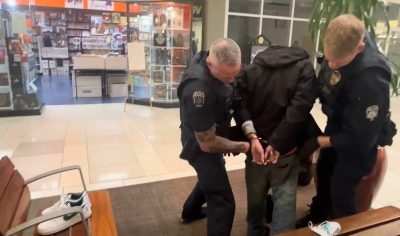
What Is the Difference Between Petit Theft and Grand Theft in Florida?
Not all theft offenses are treated the same under Florida law. One of the most important factors that may affect a theft charge is the value of the property allegedly taken. Understanding the difference between petit theft and grand theft can help you better understand the charges you may be facing and why some theft offenses carry much more serious penalties than others.
READ MORE

Can Theft Charges Be Dropped in Florida?
Being accused of a theft crime does not automatically mean you will be convicted. Depending on the facts of the case, theft charges may be reduced or, in some situations, dismissed. Every case is different, and the outcome often depends on the available evidence, witness testimony, and the specific circumstances surrounding the alleged offense.
READ MORE

What Is the Difference Between Theft, Burglary, and Robbery?
Many people use the terms theft, burglary, and robbery interchangeably. Although these crimes all involve property in some way, they are very different offenses under Florida law.
READ MORE

What Happens After a Theft Arrest in Florida?
Being arrested for a theft offense can be a stressful and confusing experience. Whether you have been charged with petit theft, grand theft, shoplifting, burglary, or another theft-related offense, you may be wondering what happens next and what to expect from the criminal justice process.
READ MORE
FREE CONSULTATION
Being arrested or charged with a crime can be overwhelming. Understanding your options early can make a significant difference in the outcome of your case.